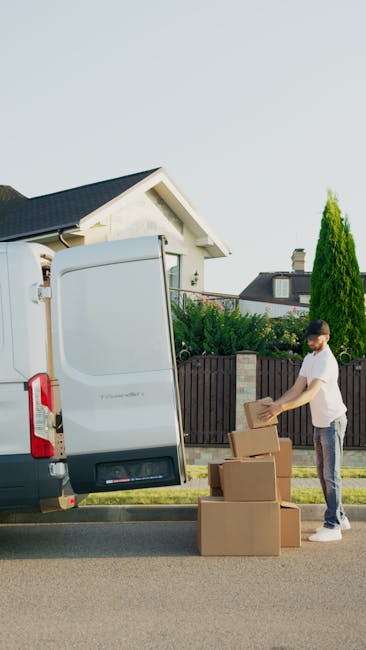
St Margarets Man and Van Narrow Access Expert Moves: A Practical Guide for Tight-Access Removals
If you are dealing with a staircase that feels a bit too narrow, a hallway that turns sharply, or a front door that barely gives you space to breathe, you already know why St Margarets man and van narrow access expert moves matters. It is not just about having a van and a pair of strong arms. It is about planning, timing, care, and knowing how to move furniture and boxes through awkward spaces without damage, stress, or a lot of muttered apologies. Truth be told, tight-access moves can be the ones that go smoothly when handled properly.
This guide explains what narrow access moving really involves, how it works, who it suits, and what to watch out for. You will also find a practical step-by-step process, a realistic checklist, and a comparison of common moving methods so you can make a sensible decision before moving day arrives.
Table of Contents
- Why narrow access moves matter in St Margarets
- How a narrow access man and van move works
- Key benefits and practical advantages
- Who this is for and when it makes sense
- Step-by-step guidance
- Expert tips for better results
- Common mistakes to avoid
- Tools, resources and recommendations
- Law, compliance, standards and best practice
- Options, methods and comparison table
- Case study or real-world example
- Practical checklist
- Conclusion
- Frequently asked questions
Why St Margarets Man and Van Narrow Access Expert Moves Matters
St Margarets has plenty of homes and streets where access can be tricky in ways that only become obvious on moving day. A terraced house with a steep staircase, a converted flat with a tight landing, a shared entrance, or a parking spot that is just a little too far away can turn an ordinary move into a logistical puzzle. That is exactly where a narrow access specialist earns their keep.
Why does this matter so much? Because the most common moving problems are not dramatic, they are small and cumulative. A sofa nudged at the wrong angle, a wardrobe that needs dismantling, a mattress that will not bend safely around the bend in the stairwell. One small issue can slow everything else down. And once the clock starts, nobody wants that.
In narrow-access moves, careful preparation matters more than brute force. A good man and van team will think about the route from room to van, the angle of each item, the size of the vehicle, where to park, how long loading will take, and whether protective covers or extra hands are needed. That sort of thinking saves time, money, and a lot of back-and-forth.
Expert summary: Narrow access moving is less about strength and more about judgement. Measure first, plan the carrying route, protect the property, and use the right vehicle and handling method for the space.
It also matters because homes with narrow access often have more opportunities for accidental damage. Door frames, banisters, paintwork, and floors all become vulnerable when people rush. In practice, a calm, methodical approach usually works better than trying to push through and hope for the best. Let's face it, hope is not a moving strategy.
How St Margarets Man and Van Narrow Access Expert Moves Works
A narrow access move starts well before the van arrives. The process usually begins with an assessment of access points, item sizes, parking conditions, and the order in which things will be moved. If there is a tricky staircase, a narrow corridor, or limited outside space, the mover may plan a different loading sequence or recommend dismantling larger furniture in advance.
In a typical tight-access move, the team will:
- Review the property layout and the main obstacles.
- Identify bulky or awkward items that may need special handling.
- Decide whether furniture should be dismantled or protected with covers.
- Choose a vehicle that can park close enough without blocking access.
- Load in an order that avoids repeated lifting and unnecessary shuffling.
- Carry items using straps, blankets, trolleys, or two-person handling where needed.
- Place items carefully at the destination, often reversing the same access plan in a different building layout.
You may notice that none of this sounds glamorous. Good. It should not. The best moves often look almost boring from the outside because everything was planned properly in advance.
There is also a local element. On narrower residential roads, especially where parking is limited or neighbours share access, timing can make a huge difference. Morning load slots, school-run traffic, and residents trying to get in and out all affect how smoothly the day goes. A mover who understands those realities can save you from avoidable friction.
Sometimes the move needs a smaller van rather than a big one. That might sound counterintuitive, but for tight access, a vehicle that can fit closer to the entrance often reduces carrying distance and lowers the risk of strain or damage. In other words, smaller can be smarter.
Key Benefits and Practical Advantages
Using a narrow access expert is not only about convenience. There are several practical advantages that matter, especially if your property is awkward or the items are heavy, expensive, or awkwardly shaped.
- Reduced damage risk: Experienced movers know how to navigate tight turns, low ceilings, and narrow doors without scraping walls or furniture.
- Better time control: A proper access plan usually means fewer delays and less faffing around on the day.
- Safer lifting: The right technique and team size reduce the chance of strain or injury.
- Less stress: You are not left trying to work out whether the sofa will fit after all. That decision is made before anyone starts carrying.
- More suitable vehicle choice: In narrow streets and compact parking spaces, the vehicle itself becomes part of the solution.
- Improved property protection: Door guards, blankets, and careful handling help preserve both old and new homes.
For many people, the biggest benefit is peace of mind. You stop worrying about whether the piano will make the turn or whether a chest of drawers will get stuck halfway up the stairs. That alone is worth a great deal on moving day.
There is also a hidden benefit people do not always think about: better communication. A mover who has handled narrow access jobs before usually asks better questions upfront. How wide is the front gate? Is there a lift? Can a van stop outside for ten minutes? Is the bed frame already dismantled? These questions are not nitpicking. They are the difference between a smooth day and a stressful one.
Who This Is For and When It Makes Sense
Narrow-access moving services are a strong fit for anyone whose property layout makes standard removals awkward. That includes flat moves, older homes, maisonettes, converted buildings, and properties with shared or restricted access. If you are thinking, "It should be fine," but you are not entirely sure, that is usually the moment to take the access issue seriously.
This kind of service makes sense if you are moving:
- from or to a top-floor flat with a tight stairwell
- from a house with a narrow front path or side return
- furnishings that are bulky, heavy, or unusually shaped
- items that need dismantling and careful reassembly
- into a street with difficult parking or limited stopping space
- during a short time window where efficiency matters
It is also useful if you are moving just one or two difficult items. A man and van service can be much more sensible than hiring a larger removal vehicle when the route itself is the issue. After all, a giant van is not very helpful if it cannot get close enough to the door.
For landlords, letting agents, and small businesses in the area, narrow-access expertise can also be valuable when office furniture, appliances, or archive items need shifting through difficult internal spaces. The job may look simple on paper, then reality says otherwise.
Step-by-Step Guidance
If you want the move to feel under control, break it into stages. That is usually the simplest way to keep your head clear. A neat plan beats a rushed one almost every time.
1. Measure access properly
Measure door widths, stair landings, hall corners, ceiling height where relevant, and any outside bottlenecks. Do not rely on memory. We all misjudge these things, especially after a few weeks of packing boxes.
2. Identify awkward items
List the furniture that is likely to cause trouble. Wardrobes, sofas, beds, mirrors, cabinets, washing machines, and desks often need special attention. If something has to be angled, lifted, or taken apart, write it down early.
3. Decide what should be dismantled
Some items are simply easier and safer in pieces. A bed frame, for example, is often better handled dismantled, especially in a narrow stairwell. Keep fixings in labelled bags so the reassembly phase is not a scavenger hunt.
4. Plan the route from room to van
It sounds obvious, but many people forget this part. Think beyond the front door. Is the van parking opposite? Is there a tight corner by the pavement? Are there shared entry points or steps that change the carrying angle?
5. Protect the property
Use floor runners, blankets, door covers, and corner protection where needed. A careful mover will often spend a few minutes protecting surfaces before touching the heavy items. That small delay can prevent a nasty scuff later.
6. Load in the right order
Heavier, sturdier items usually go in first, but the exact loading order depends on the access and delivery sequence. The key is not to trap anything that must come out early. No one wants to unload half a van just to reach a kettle.
7. Keep communication open
Tell the movers about fragile items, access changes, or parking issues as soon as they come up. A quick message can save a lot of awkward improvising. The job usually goes better when everyone knows what is happening.
Expert Tips for Better Results
Here is the practical stuff that tends to make a real difference in tight spaces.
- Photograph the access route: A couple of phone photos of the staircase, entrance, and any tight corners can help with planning.
- Leave a little breathing room: If possible, clear hallways and move loose items out of the way before the team arrives.
- Use consistent labels: Mark boxes clearly by room and priority, especially if items will be carried in batches.
- Reserve a parking plan early: In areas where space is tight, the most efficient move can still stall if the van has nowhere sensible to stop.
- Keep fragile items together: Mirrors, framed pictures, and small electronics are easier to protect when grouped separately.
- Ask about dismantling support: Some furniture looks simple until the screws turn up missing. We have all seen that moment.
One thing that helps more than people expect is timing. A move that starts slightly earlier can sometimes avoid the worst parking pressure and road clutter. Ten minutes here or there really can change the tone of the day.
And do not underestimate the value of a calm house. If pets are underfoot, children are excited, or everyone is trying to help at once, the access problem gets worse. A little order goes a long way. Maybe too obvious, but still.
Common Mistakes to Avoid
Most narrow-access problems are predictable. That is the annoying part. The good news is that they are also avoidable if you spot them early.
- Guessing the dimensions: "It should fit" is not a measurement.
- Ignoring parking reality: A perfect access route means very little if the van cannot stop safely.
- Leaving dismantling until the last minute: Furniture that needs tools should be dealt with before moving day if possible.
- Overloading the schedule: Tight access takes time. Rushing creates mistakes.
- Failing to protect walls and floors: One scrape can be more annoying than the whole rest of the move.
- Forgetting stairwells and landings: The obstacle is often not the door, but the turn after the door.
- Not telling the mover about restrictions: A low bridge, weight limit, gated entry, or shared passage should never be a surprise.
One slightly funny but very real mistake: people sometimes measure the widest point of a chair or table and forget to measure the awkward bit. You know, the one leg that sticks out just enough to become a problem. Furniture has a sense of timing like that.
Tools, Resources and Recommendations
You do not need specialist kit for every move, but the right tools help a lot. For narrow access work, these are especially useful:
- padded removal blankets
- door and corner protectors
- straps and lifting aids
- furniture sliders for short internal repositioning
- labels and marker pens
- small tool kit for dismantling and reassembly
- protective wrapping for mirrors and screens
A trolley or sack truck can be useful, but only if the route genuinely suits it. In a tight stairwell, the wrong trolley can slow everything down. So, as with most things in removals, the tool has to match the space.
If you are preparing yourself, a simple folder or notes app on your phone can work as an access plan: measurements, parking notes, inventory, and any delivery instructions. Nothing fancy. Just clear. That helps more than shiny moving accessories, to be fair.
For local moves, it is also worth checking the practical side of your new street or building: entrance codes, loading restrictions, lift booking requirements, and any management rules. If you know them in advance, the move tends to feel much less chaotic.
Law, Compliance, Standards and Best Practice
For narrow-access moves in the UK, the important point is not legal theatre, it is doing things safely and responsibly. Movers should use sensible handling practices, work within the limits of the vehicle, and avoid blocking roads or entrances unnecessarily. If a property has shared access, leasehold rules or building management instructions may also shape how the move is carried out.
Best practice usually includes:
- safe manual handling methods
- clear communication about access limits
- careful parking and loading without causing obstruction
- appropriate protection for the property and belongings
- respect for neighbours, common areas, and shared entrances
If items are especially heavy, fragile, or valuable, it is sensible to ask how they will be moved and whether extra protection is recommended. That does not make you difficult. It makes you prepared.
Insurance is another practical point. While details vary from one operator to another, you should always understand what cover is in place for transit and handling. Ask directly if you are unsure. A straightforward answer is usually a good sign.
And yes, if a move involves communal spaces, stairwells, or narrow entrances, good etiquette matters just as much as equipment. Keep access routes clear, avoid leaving items where others need to pass, and give neighbours a bit of warning if the job is likely to be busy. Small courtesy, big difference.
Options, Methods and Comparison Table
There is more than one way to handle a narrow-access move. The right choice depends on the size of the load, the building layout, and how much carrying distance is involved.
| Method | Best for | Advantages | Limitations |
|---|---|---|---|
| Single man and van | Small loads, a few items, short local moves | Flexible, often efficient, suited to compact access | May be slower for bulky or complex loads |
| Two-person man and van | Heavy furniture, awkward stairs, fragile items | Safer lifting, better control, faster handling | Usually costs more than a solo setup |
| Fully managed removal team | Larger moves with multiple rooms | More hands, structured process, less effort for you | Can be unnecessary for very small moves |
| Self-move with van hire | Very low-budget moves or highly flexible schedules | Lower direct cost in some cases | Highest risk if access is tight or furniture is awkward |
For narrow access in particular, a two-person team is often the safer choice when heavy items are involved. One person may be enough for boxes and light furniture, but once stairs, turns, or fragile surfaces enter the picture, extra hands usually pay off.
That said, bigger is not always better. If the road is tight and the parking is limited, a smaller vehicle with a good loading plan may be more effective than a larger van that blocks half the street. Smart, not showy.
Case Study or Real-World Example
Picture a typical St Margarets move: a first-floor flat with a narrow staircase, a heavy sofa, a double bed frame, several boxes, and a small dining table. The street outside is busy enough that parking is limited to a short stop. Nothing impossible, but definitely not a straight lift-and-load job.
In a situation like that, the move usually goes best when the process is broken down. First, the bed frame is dismantled. Next, the sofa is checked to see whether it can pass the stair turn safely; if not, the route is cleared and a two-person carry is used. The table legs come off. Boxes are grouped by weight so the heaviest are not buried. The van is parked as close as possible without causing a nuisance.
What makes the difference? It is not one clever trick. It is the chain of small decisions. The right vehicle. The right order. The right lifting method. A bit of patience. And no trying to force furniture through a space where it clearly does not want to go. Furniture, frankly, can be stubborn.
The result is usually a move that feels uneventful in the best possible way. No damage. No panic. No one left sweating in a hallway asking why the wardrobe looked smaller online.
Practical Checklist
Use this checklist before move day. It keeps things grounded.
- Measure all key access points, including doors, stair turns, and landings.
- Check whether parking outside the property is realistic.
- List all bulky, fragile, or awkward items.
- Decide what should be dismantled before the move.
- Label boxes clearly and group fragile items separately.
- Protect floors, walls, and corners where possible.
- Confirm access instructions, codes, and building rules.
- Prepare a clear route from the room to the van.
- Keep tools, fixings, and small parts in one labelled bag.
- Build in a little extra time for narrow access and stairs.
If you can tick most of those off, you are already in a much better place than many people on moving day. That calm feeling when everything is ready? Worth chasing.
Conclusion
St Margarets man and van narrow access expert moves are about more than transport. They are about reading the property properly, planning the route, protecting the space, and moving with confidence even when the entrance is awkward or the stairwell is a bit unforgiving. When the access is tight, the details matter. A lot.
If you take one thing away, let it be this: measure early, communicate clearly, and choose the moving method that suits the property rather than the other way round. That approach saves time, reduces stress, and usually makes the whole day feel far more manageable. Not perfect. Just better. And better is often exactly what you need.
Get a free quote today and see how much you can save.
Frequently Asked Questions
What does narrow access mean in a man and van move?
Narrow access means the property or street layout makes loading and carrying items more difficult than usual. This can include tight staircases, narrow hallways, limited parking, awkward turns, or shared entrances.
Is a smaller van better for narrow access moves?
Often, yes. A smaller van may park closer to the property and reduce carrying distance, which can be a big advantage when access is restricted. The best choice depends on the size of the load and the available space.
Do I need to dismantle furniture before the move?
Sometimes. Large items such as beds, tables, and some wardrobes are usually easier to move when dismantled. If the route is very tight, dismantling can reduce the chance of damage and speed up the job.
How do I know if my staircase is too narrow for furniture?
Measure the width of the staircase, landings, and the tallest or widest parts of the furniture. If you are unsure, photos and dimensions can help a mover judge the route before moving day.
What should I tell the mover before the job?
Tell them about stairs, parking, access codes, lifts, furniture that needs dismantling, and anything fragile or unusually heavy. The more accurate the information, the better the plan.
Is a narrow access move more expensive?
It can be, depending on the extra time, labour, or equipment needed. That said, careful planning often reduces delays and keeps costs more predictable than a rushed, improvised move.
Can one person handle a narrow access move?
For a very small load, yes, sometimes. But if the items are heavy, bulky, or awkward, two movers are usually safer and more efficient. It really depends on the job.
How can I protect my walls and floors during a tight move?
Use floor runners, blankets, and corner protection where practical. A good mover will usually look at the protection plan before carrying the first item. That small pause can save a lot of grief later.
What if parking is difficult outside my property?
Let the mover know in advance. They may adjust the vehicle choice, arrival time, or loading plan. In some cases, a shorter carrying route can be created by parking slightly differently or using a smaller van.
Are narrow access moves suitable for fragile or valuable items?
Yes, but only with the right handling and protection. Mirrors, artwork, antiques, and delicate electronics should be wrapped and carried with extra care. If an item is unusually valuable, mention it early.
How far in advance should I book a narrow access man and van?
As early as you can, especially if your move needs special planning or if you are moving on a busy day. Early booking gives everyone more time to prepare the access route and reduce surprises.
What is the biggest mistake people make with narrow access moves?
The biggest mistake is assuming the space will work itself out on the day. It usually does not. Measuring properly and planning the route in advance makes the whole move calmer and safer.